

The grant is awarded. Now the work begins.
New funding can help ports build what they need. A good plan makes sure the people who use it can keep working along the way.
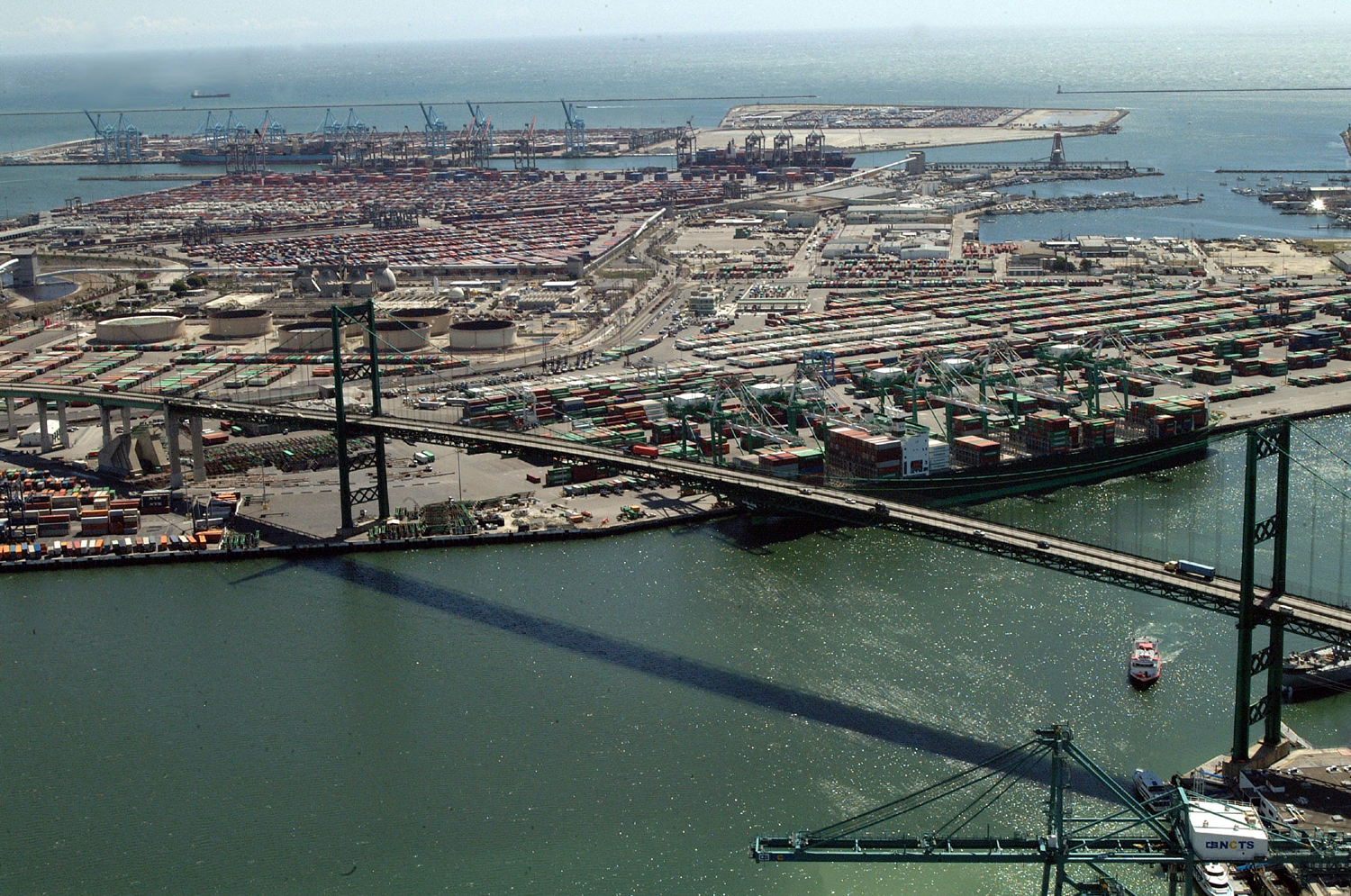

The Vincent Thomas Bridge has seen its share of construction work recently, and for a lot of teams, that bridge is a vital part of getting to and from work. The repairs are necessary, and what made the biggest difference for the people planning around them was Caltrans’ outreach. Stakeholders heard about planned work early, so they could build in extra time for delays or take alternate routes. That part of a project never shows up in a rendering, but it is critical.
It’s the same scenario with dock construction projects. A new dock looks great in a project rendering. The question I always ask is how the port keeps moving while someone builds it.
Where do the trucks go when their usual entrance is closed? How does a delivery reach the tenant on the other side of the work? Who tells the crew that the gate they used yesterday won’t be available tomorrow?
Those questions don’t take away from the excitement of a project getting funded. They’re part of making sure the project delivers what everyone hoped it would.
On October 27, the Maritime Administration announced the recipients of its fiscal 2026 Port Infrastructure Development Program awards. MARAD had nearly $498 million available for the program, which supports port planning and capital projects across the country.
That’s good news for the communities and teams that have put time into these projects. Congratulations to the recipients and everyone who helped get them to this point.
Now comes the work of turning those plans into something people can use.
Start with the people who use the port
A port project might involve a new berth, a road, equipment, or repairs to an aging facility. Whatever the scope, people are probably already working around it.
Before construction starts, bring those people into the conversation.
Talk to the terminal operators, tenants, truck drivers, maintenance crews, and anyone else who relies on the area. Ask them to walk you through an ordinary day, and learn their names while you're at it.
Where does the first delivery arrive? Where do people wait when a gate is busy? What needs to stay accessible for maintenance or an emergency?
The answers can help the project team plan around the work that still has to happen. They can also reveal problems that are easy to miss on a drawing.
Give the temporary operation a plan
A finished project may make a port work better. Getting there can mean months or years of changing routes, closed areas, and construction activity.
The temporary operation deserves attention of its own.
If a gate closes, where do people go? If a tenant loses access to a loading area, what’s the alternative? Who updates the signs, tells the drivers, and answers questions when the plan changes?
And when a contractor finds something unexpected, who brings the operating team into the decision?
These details are easy to leave for later. They become a lot harder when the trucks are already waiting.
Keep the team talking
Funding is an important milestone. It doesn’t settle every question about a project’s schedule, permits, construction, or how the finished facility will operate.
The people managing those pieces need to stay connected as the work moves forward.
That means being clear about what has to happen next, who is responsible, and what needs a decision. It also means going back to the people using the port when conditions change.
The crew at the gate or the person coordinating deliveries may be the first to see that a temporary plan isn’t working. Make it easy for them to speak up, and make sure someone follows through.
Think about opening day
It’s worth asking one more question early: what will it take to put the finished project to work?
A new piece of equipment may need training and a maintenance plan. A new traffic pattern may need signs and communication with the people who use it. A repaired berth needs an operating plan that reflects the work it will actually handle.
Those conversations shouldn’t wait until the ribbon cutting.
The goal is to open a facility the team knows how to operate, maintain, and use from the start.
Make the investment count
Port projects take commitment from a lot of people. At Land & Sea, our crews work on the water every day, and we know how much a project depends on the people working around it. Securing funding is something to celebrate.
The next opportunity is to make sure the investment works for the people who depend on the port every day, through construction and long after the project opens.
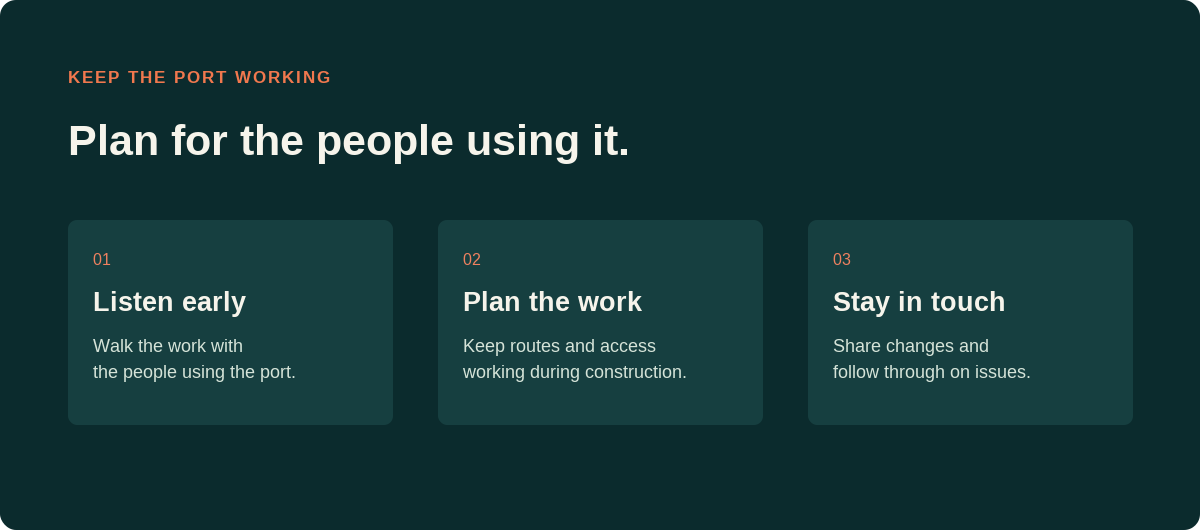
Bring them in early. Walk the work. Keep talking when the plan changes.
A good project should make the port better to work in, not just better to look at.
If your port is getting ready to build, I'd love to hear how you're planning for the people who'll work through it. Send me a note anytime.
Sources & context
- MARAD: Port Infrastructure Development Program
2026-10-27 - MARAD: 2026 PIDP grant awards
2026-10-27 - Caltrans: Vincent Thomas Bridge deck replacement and community outreach
2026
Sources reviewed 29 October 2026. This article combines attributed reporting with Land & Sea’s perspective.