

Ocean robotics needs more than a launch date.
The technology gets the attention. The operating plan deserves a place beside it.

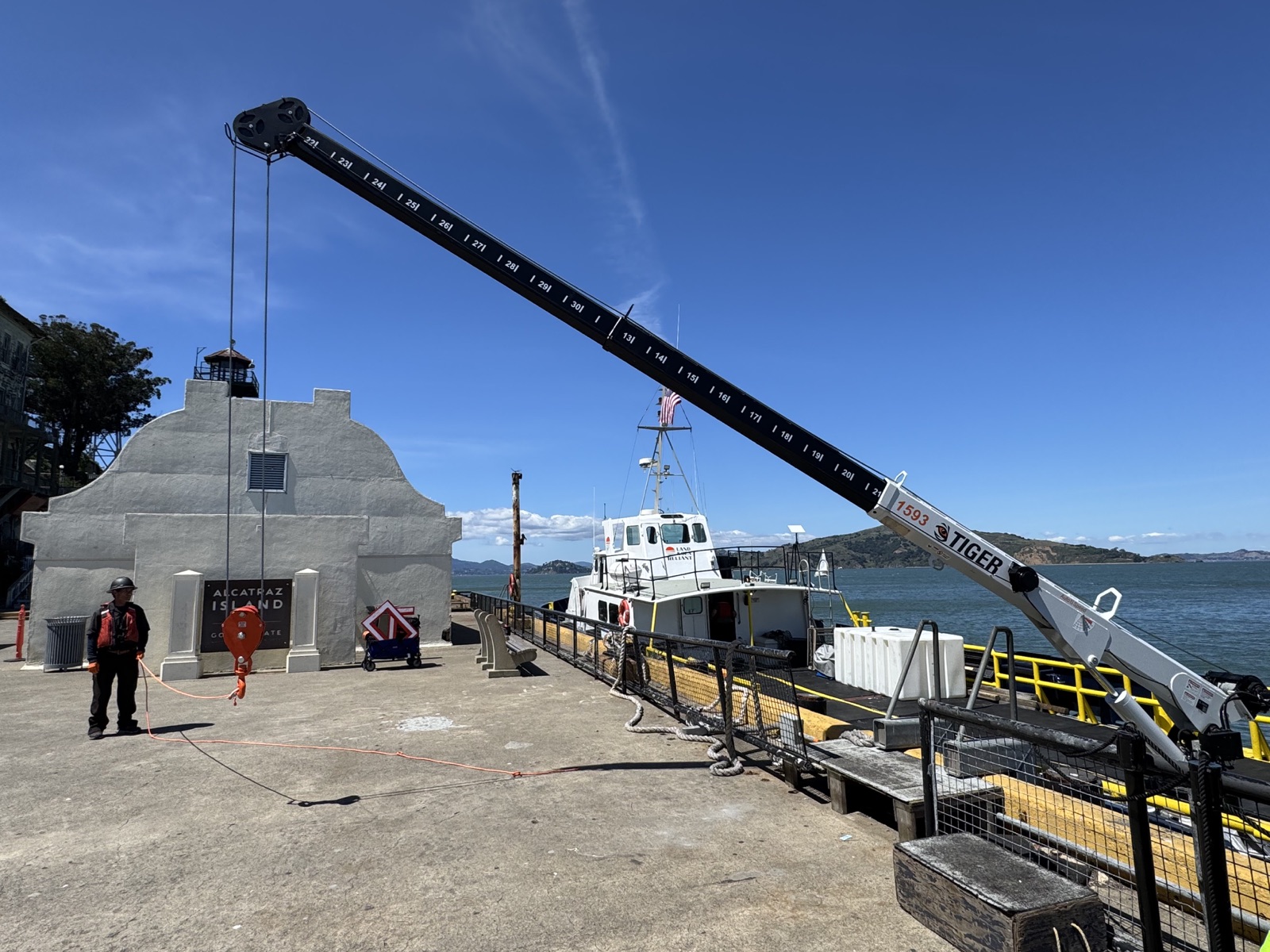
Ocean robotics deployment planning should cover the whole mission: getting equipment to the water, operating it, bringing it back, and preparing for the next run. Our view is that the support plan belongs in the conversation while the mission is still being designed.
There is a useful reminder in NOAA’s October 13 announcement of a five-year Saildrone research effort around Antarctica. The first vehicle departed Hobart in September. The plan includes returning to port for repairs and refurbishment between voyages. Long-duration missions still have an operating cycle on shore. Read NOAA’s announcement.
That program is far removed from a test day in San Francisco Bay. We’re using it here as an industry example, rather than a case study of our work. But it prompts a question relevant to a much smaller deployment: have we planned the work around the technology as carefully as the work it will do?
The launch is one part of the mission.
For a team booking marine support, “we need a boat on Tuesday” is a starting point. The more useful conversation is about what must happen before departure, at the work site, and after the equipment returns.
NOAA’s 2026 ROV Shakedown description makes that preparation visible: bringing equipment aboard, integrating communications, reviewing launch, recovery and emergency procedures, and practicing with the vehicles before the field season. These are tethered remotely operated vehicles, a different system from Saildrone’s uncrewed surface vessels. The shared planning lesson is the attention given to preparation, people and interfaces. See NOAA’s shakedown overview.
We would start a support discussion with the complete sequence of work. Where does the equipment arrive? Who is ready to receive it? What must be connected or checked? What happens when the test is finished? A vessel choice should follow those answers.
Plan the handoffs, not just the hardware.
The technology team and the marine team bring different knowledge. The first understands the equipment and mission. The second needs to understand how those requirements fit the vessel, crew, location and conditions. Neither should have to guess what the other has assumed.
Our recommendation is a short, shared deployment brief that makes those handoffs explicit. It should identify the mission owner, the marine point of contact, the equipment requirements, and who can pause or change the plan. Questions about lifting, recovery and operating limits belong with the qualified people responsible for that specific operation.
Recovery deserves its own discussion. Retrieving equipment after a planned test may be different from recovering it after an interrupted one. The brief should ask what support is needed in each case, whether a separate small vessel is appropriate, and how any additional assets will be arranged.
That is where flexibility becomes concrete: knowing which parts of the plan can change, who will decide, and what support can actually be made available.
Five questions before you book.
For a technology team preparing its next deployment, these are useful questions to take into the first planning meeting:
- What does a successful day need to accomplish?Define the test or task, the equipment involved, and the people who need to be there.
- How will the equipment reach the work site?Discuss delivery, dock access, handling, deck arrangements and any vessel requirements.
- How will it come back?Address routine recovery and interrupted testing, including the support assets each may require.
- Who owns each decision?Identify technical and marine responsibilities, communications, and the people authorized to stop or revise the work.
- What needs to happen before the next deployment?Allow for inspection, repairs, storage and the changes identified during the test.
These are planning questions, not a substitute for an approved lift plan, operating procedure or vessel-specific assessment. The details depend on the equipment and the operation.
For us, the opportunity in ocean robotics includes the practical work that helps a team get its technology into service. A clear support brief gives everyone a better starting point, from the first dockside conversation to the next deployment.
Sources & context
- NOAA: Saildrone research fleet to circle Antarctica for 5 years
2026-10-13 - NOAA Ocean Exploration: 2026 ROV Shakedown
May–June 2026 expedition
Sources reviewed 23 October 2026. This article combines attributed reporting with Land & Sea’s perspective.